In a year marked by cautious monetary easing, the landscape for small‑business financing has shifted dramatically. With the Federal Reserve’s latest policy moves and an evolving mix of lending options, entrepreneurs must navigate a maze of rates, fees, and eligibility criteria to secure the capital they need.
Fed Policy Sets the Stage
The Federal Reserve’s December 2026 cut—shifting the federal funds rate to a range of roughly 3.50%–3.75%—sent ripples through every tier of borrowing. Analysts predict one or two more quarter‑point reductions in 2026, potentially lowering the prime rate to around 6.25%–6.50%. This tightening‑to‑loosening cycle means that variable‑rate loans could see immediate savings for businesses with existing lines of credit.
Fixed‑rate terms, however, may remain relatively stable until the Fed’s next meeting in late 2026, when rates are expected to settle near 3.25%–3.50%. For companies looking at long‑term commitments, locking a fixed rate now could shield them from future volatility.
As the Fed’s official site notes, “The outlook for 2026 is less clear and more cautious, with a slower pace of cuts expected compared with 2026.” The key takeaway: keep an eye on the prime rate, as it directly influences most business loan products.
Variable‑Rate Loans: Immediate Impact
Variable rates adjust in tandem with the prime. After December’s cut, a 6.75% prime translates to about 5.5%–11% for bank term loans and 10%–99% for online term products. A two‑quarter reduction could shave several percentage points off those figures.
For example, a small manufacturer with a $250,000 line of credit might see its annual cost drop from 8.5% to 7.5%, saving thousands over the life of the loan. Small adjustments in the prime can ripple through the entire debt stack, especially for companies carrying multiple balances.
Fixed‑Rate Loans: Shielding Against Uncertainty
Fixed‑rate offerings remain attractive when inflation expectations are uncertain. The median fixed rate for new small business bank loans sits at 7.22%, with a range of 5.53%–11%. SBA 7(a) fixed rates hover between 11.75% and 14.75%, reflecting the higher risk premium associated with non‑bank lenders.
Businesses that anticipate steady cash flows—such as subscription‑based services or real estate investors—might prefer a fixed rate to lock in predictable payments. Conversely, firms experiencing rapid growth may opt for variable rates to benefit from potential cuts.
The Spectrum of Lender Types
- Traditional Banks: Competitive rates for qualified borrowers; median at ~7%.
- SBA Loans: Government‑backed, with variable rates 9.75%–13.25% and fixed rates 11.75%–14.75%.
- Online Term Lenders: APRs ranging from 15% to a staggering 99%, often coupled with high origination fees.
- Merchant Cash Advances & Invoice Factoring: Factor rates that translate into APRs of 35–350%—ideal for short‑term cash flow needs but costly in the long run.
The choice depends on a firm’s risk tolerance, credit profile, and funding urgency. For instance, a tech startup with high growth potential might accept higher rates to secure rapid capital via an online term lender, whereas a seasoned retailer may lock in a bank loan at 6% or lower.
Bank Term Loans: The Gold Standard?
According to the latest Federal Reserve data accessed March 2026, bank small‑business loans range from 6.3% to 11.5%. These rates remain competitive relative to other options, especially when paired with a solid credit history and robust financial statements.
Moreover, banks often offer longer repayment terms—up to 84 months—allowing borrowers to spread out payments and preserve working capital. The trade‑off is that approval can take several weeks, and the application process may involve detailed documentation.
SBA Loans: Government‑Backed Comfort
The SBA’s 7(a) program caps variable rates at 13.25% and fixed rates at 14.75%. While these rates are higher than prime‑rate‑based bank loans, the government guarantee reduces lender risk and can translate into more favorable terms for borrowers with limited collateral.
For small manufacturers or service providers seeking large sums—up to $5 million—SBA 504 loans offer an even lower spread: 5.65%–5.82%. These are ideal for real estate or equipment purchases, as they combine Treasury rates with a lender’s fee structure.
Online Lenders and Alternative Financing
Alternative financing has surged in popularity, especially during periods of tight credit markets. The “online term loan” category boasts APRs from 15% to an eye‑watering 99%. While the speed is unparalleled—funding within a day or two—the cost can quickly spiral out of control.
| Product | APR Range | Typical Fee Structure |
|---|---|---|
| Online Term Loan | 15%–99% | Origination fee 2%–10% |
| Invoice Factoring | 25%–200% | Factor rate 1.3–2.5 |
| Merchant Cash Advance | 35%–350% | No fixed term; repayment tied to sales |
These products are often marketed toward businesses with less-than‑perfect credit or those in urgent need of cash. However, the high cost makes them a short‑term solution rather than a long‑term strategy.
Credit Cards: The Hidden Cost
Business credit cards currently carry APRs between 16% and 29%, with many offering a 0% introductory period for six to twelve months. While the intro can be enticing, once the period ends, balances can accrue interest at near‑maximum rates.
A small café that runs on thin margins might find a credit card useful for day‑to‑day expenses but would likely incur significant interest if unable to pay off the balance each month.
How to Choose the Right Loan
- Assess Your Credit Profile: A higher score can unlock lower rates, especially with banks and SBA lenders.
- Determine Your Funding Needs: Large, one‑time purchases may favor SBA or bank term loans; quick working capital might lean toward online lenders.
- Consider Repayment Flexibility: Fixed terms provide stability; variable terms offer potential savings if rates drop.
- Read the Fine Print: Origination fees, prepayment penalties, and hidden costs can erode any apparent rate advantage.
For entrepreneurs who have not yet explored all options, a strategic approach begins with a detailed financial audit. By understanding cash flow patterns and debt service capacity, businesses can target the loan type that aligns best with their growth trajectory.
Getting Started: A Practical Checklist
- Gather Financial Statements: Balance sheet, income statement, and cash flow projections for the past three years.
- Check Credit Scores: Personal and business scores from major bureaus.
- Identify Eligible Programs: SBA 7(a), 504, or Express; bank term loans; online lenders with competitive APRs.
- Compare Offers: Use a side‑by‑side table to weigh rates, fees, and repayment terms.
- Apply Strategically: Submit applications to the top three lenders that best fit your profile; avoid flooding all options at once.
By following this checklist, small‑business owners can navigate the complex loan landscape with confidence. The key is not merely to find the lowest rate but to align the loan’s structure with long‑term business goals.
The Role of Digital Platforms in Modern Financing
Digital lenders have democratized access to capital, allowing businesses that were once excluded from traditional banks to secure funding quickly. However, the rapid growth of these platforms also raises concerns about transparency and consumer protection.
One notable trend is the integration of Now Loan into business financing pipelines. This platform offers instant pre‑qualification, a streamlined application process, and competitive APRs for businesses with strong credit profiles.
The convenience is undeniable: a small retailer can submit an online form, receive approval within 24 hours, and access up to $100,000 in less than five days. Yet, as with any lender, borrowers must scrutinize the terms—especially origination fees that may range from 1% to 5% of the loan amount.
According to Nav’s 2026 Business Loan Interest Rates article, the average business loan rate now spans from as low as 5.5% for bank loans to over 30% for merchant cash advances. Digital platforms like Now Loan aim to occupy the sweet spot between speed and cost, offering rates that typically fall within the mid‑range of traditional bank offerings.
Regulatory Oversight and Consumer Protection
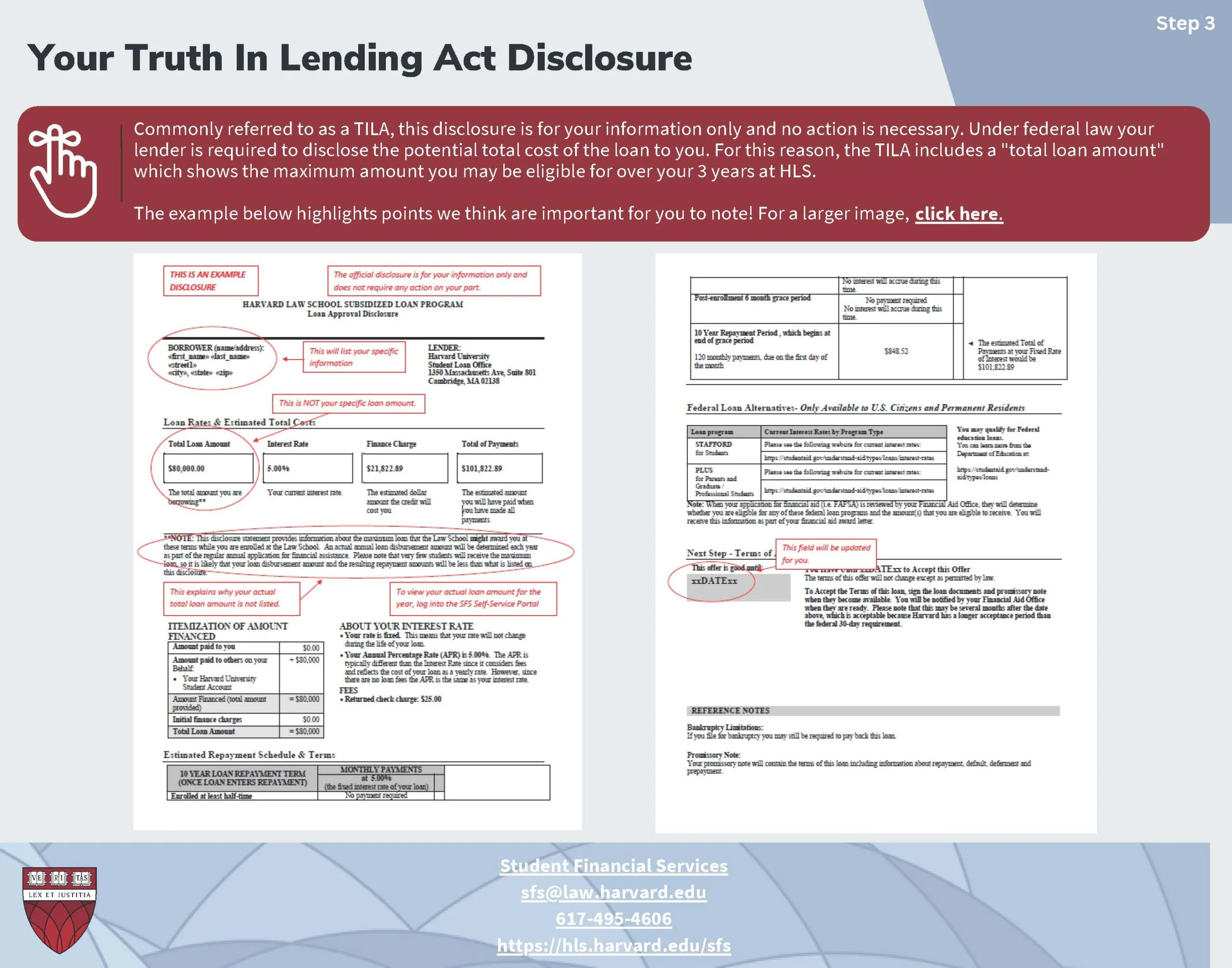
The new Truth in Lending Act (TILA) amendments, enacted in 2026, require lenders to disclose APRs, fees, and repayment terms in plain language. Digital lenders must comply with these regulations or face penalties. For borrowers, this means clearer comparison shopping and fewer hidden costs.
Consumer watchdogs have also highlighted the importance of reviewing BBB ratings before committing to a loan. High customer satisfaction scores often correlate with transparent fee structures and responsive service teams.
Future Outlook: What 2027 Might Hold
If the Federal Reserve continues its cautious easing, we could see prime rates dip below 6% by late 2027, making fixed‑rate business loans more attractive. Conversely, should inflation spike unexpectedly, variable rates might climb, prompting a shift toward fixed terms.
Meanwhile, technology will likely drive further innovation in underwriting—AI models predicting repayment risk with higher accuracy—and could lower the cost of capital for well‑documented small businesses.
In any case, staying informed about policy changes, lender offerings, and regulatory updates is essential. The next step for business owners is to evaluate their current debt structure, anticipate future rate movements, and position themselves to capitalize on emerging opportunities.